Get in touch with FlexBlanket Company

Pipe Heating Blankets
Custom Pipe Heating Blankets for Industrial Process Lines
Custom industrial electric heating
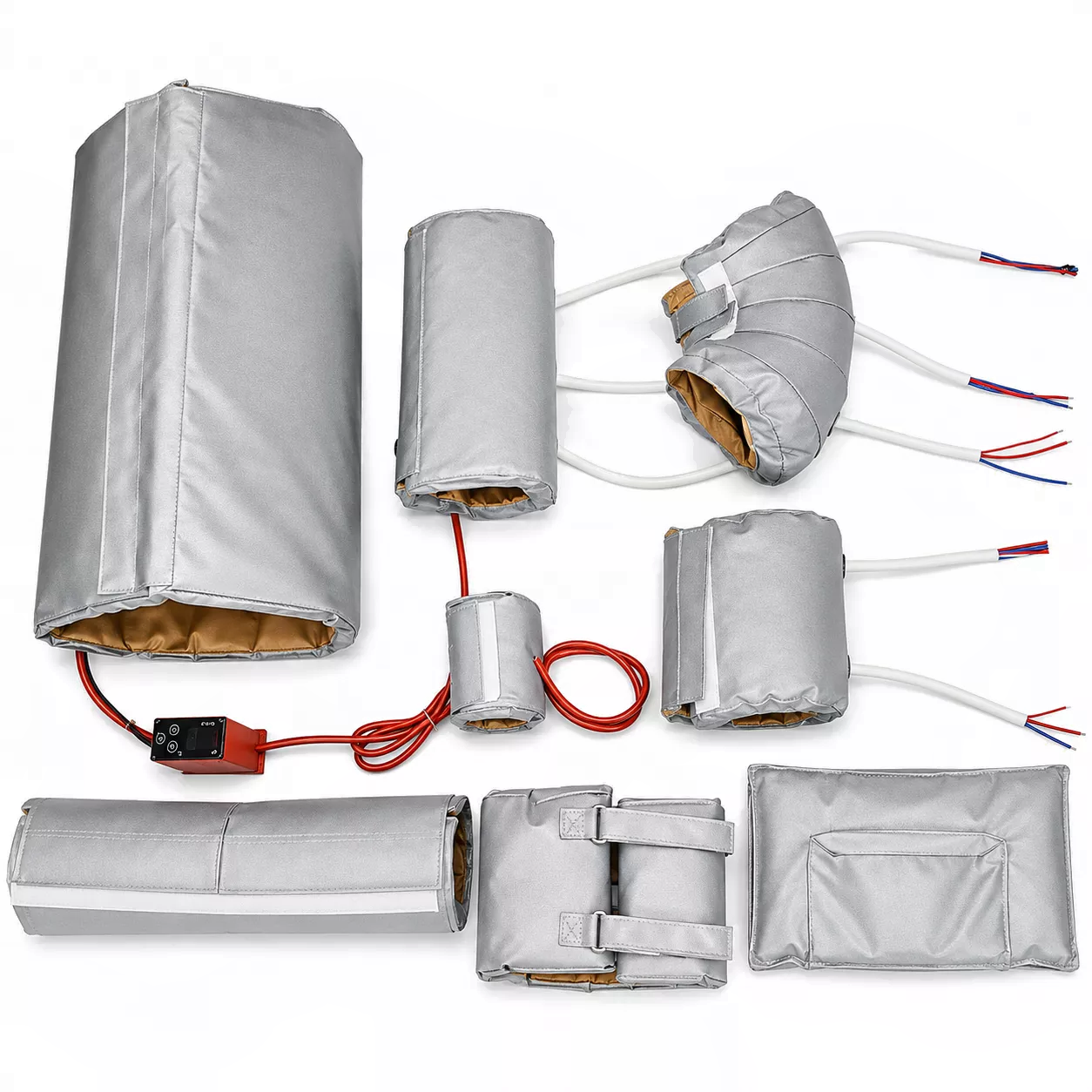
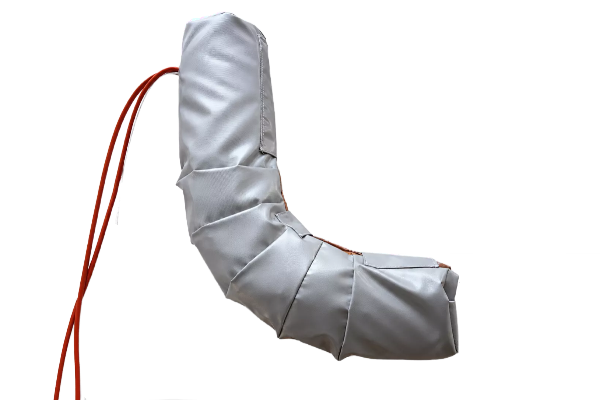
FlexBlanket manufactures removable pipe heating blankets and custom heating jackets for straight runs, elbows, valves, flanges, pumps and irregular assemblies. Each custom heating solution starts with the component geometry, heating duty, operating temperature, pipe material, voltage and control requirements.
Applications
- Freeze protection
- Viscosity control
- Process-temperature maintenance
Operating Voltage
120 VAC
230 VAC
Match the Blanket to Geometry, Duty, and Control
Six buyer inputs in the Pipe Heating Blanket Application Fit Matrix start the custom review. It produces neither a wattage calculation nor installation approval.
| Buyer decision | Inputs to send | FlexBlanket review |
|---|---|---|
| 01Geometry | Component type, outside diameter, heated length, cutouts and drawing or photo | Straight or shaped blanket layout |
| 02Heating duty | Freeze protection, viscosity control or process-temperature maintenance | Thermal-design basis and quoted wattage |
| 03Construction | Process temperature, ambient range and chemical or outdoor exposure | Silicone, stitched or high-silica construction scope |
| 04Control | Setpoint, sensor position and monitoring preference | PID, monitoring and over-temperature options |
| 05Connection | Voltage, lead exit, plug or termination preference | Quoted electrical configuration |
| 06Quote package | Quantity, destination market and required documents | Model-specific quotation and document scope |
Geometry coverageHeat Straight Runs and Irregular Pipe Components
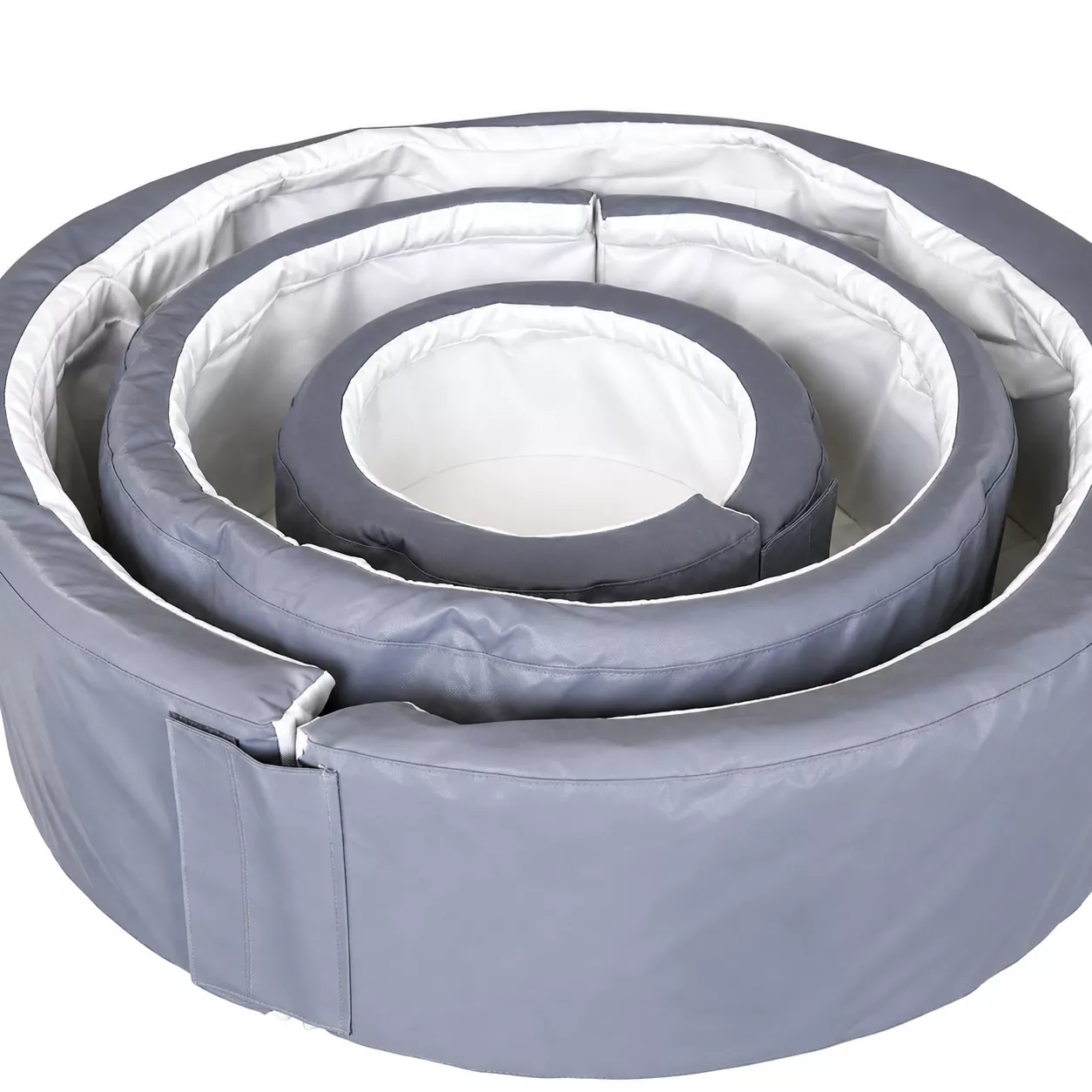
FlexBlanket makes pipe heater blankets to standard dimensions or a custom drawing. Send a measured photo or drawing when branches, actuators, clamps, gauges or limited maintenance clearance rule out a cylindrical wrap.
Straight Pipe and Tubing Bundles
A straight-pipe quote requires outside diameter, heated length, pipe material and insulation details. Expect the quotation to return blanket dimensions, power and connection requirements.
Elbows and Bends
Provide bend angle, centerline radius and nearby obstructions. A custom heating jacket must wrap around the turn without forcing the heater or lead across an unsupported edge.
Valves and Flanges
Record body dimensions, bonnet or actuator clearance and bolt-access needs. Closure layout must preserve the service points the maintenance team uses.
Pumps and Irregular Forms
Use a drawing, scaled photo or template for non-cylindrical surfaces. Mark no-heat zones, sensor position, removal direction and lead exit.
Drawing rule: diameter and length are sufficient only for an unobstructed straight section. Add a drawing or annotated photo when the blanket crosses a branch, valve, flange, pump body, instrument or removal boundary.
Choose Construction by Temperature and Exposure
Client product data lists 3 construction-specific maximum temperature-resistance values. None is a universal allowable process setpoint for a complete blanket assembly.
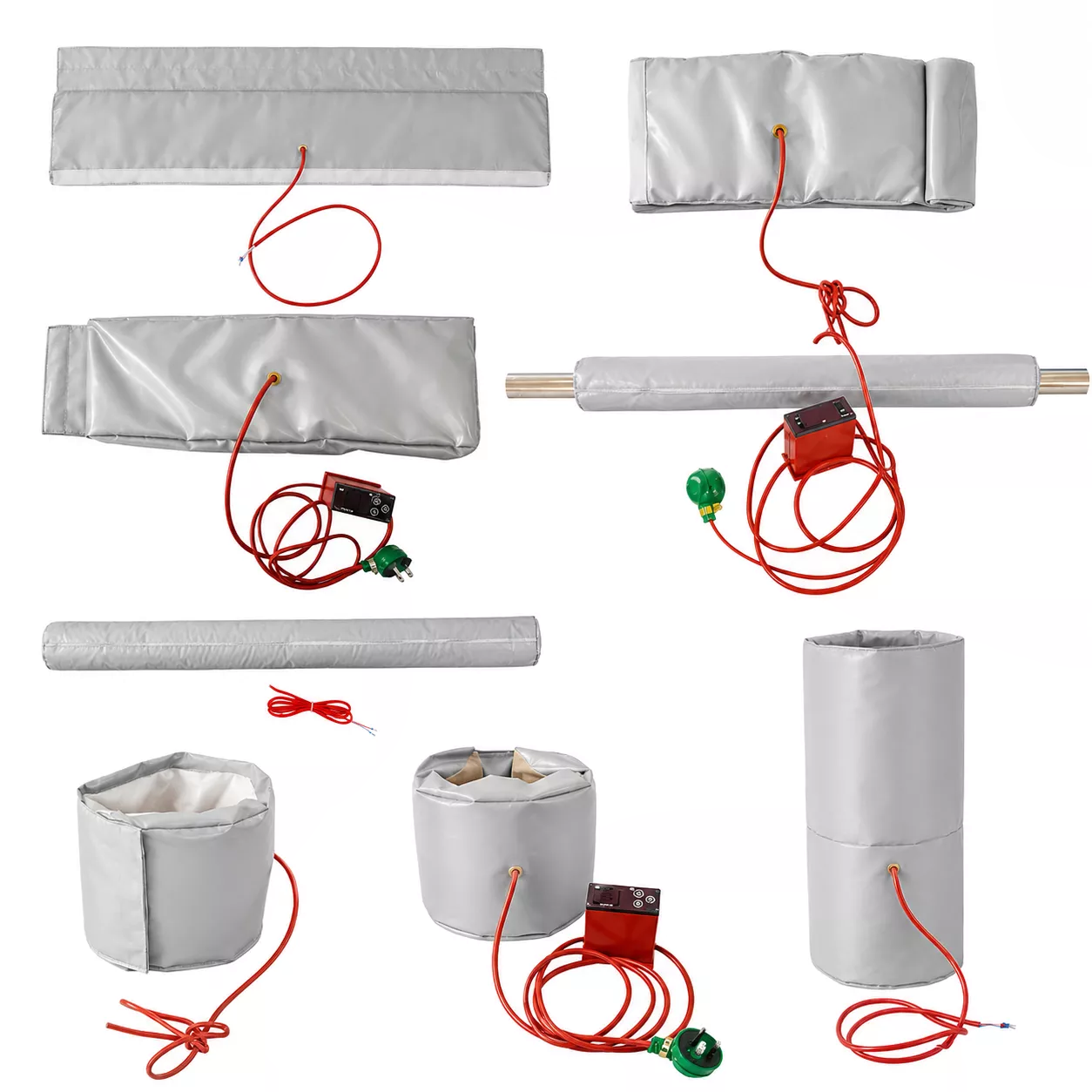
Teflon-Coated Fiberglass Jacket
Teflon-coated glass fabric appears as one jacket option in the product file. Chemical contact, cleaning method and mechanical wear remain project inputs.
Flexible PTFE Fabric
Flexible PTFE fabric is another listed option. A supplier material report does not certify the finished pipe heating blanket.
Multi-Layer Insulation
Reinforced alloy heating wires sit within a multi-layer insulated construction. Final layer selection follows temperature, geometry and connection requirements.
| Client-file construction | Stated maximum resistance | Selection inputs still required |
|---|---|---|
| Silicone core | 220°C / 428°F | Process setpoint, ambient range, exposure and full assembly details |
| Stitching process | 300°C / 572°F | Layer design, seam position, bend path and service conditions |
| High-silica core | 400°C / 752°F | Component geometry, insulation package, controls and complete system limit |
Define the Fit, Closure, Leads, and Service Access
Custom wraps must contact the heated surface without blocking removal, inspection or reconnection. Misaligned closures can trap a blanket behind an actuator or route a lead across an edge, adding service risk.
Specifications
-
01Outside diameter and heated length
-
02Cutouts, branches and protrusions
-
03Closure direction and overlap
-
04Sensor position on the heated component
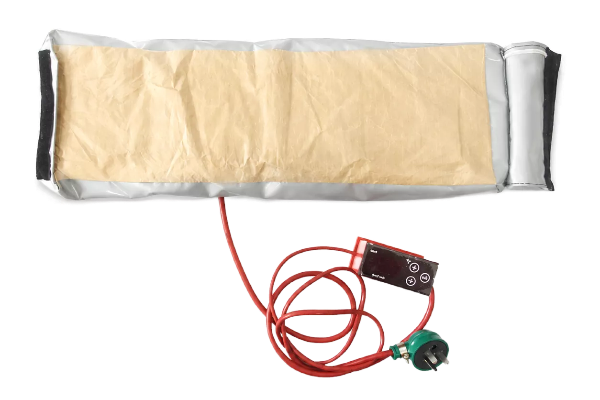
Service & Environment
-
05Power-lead exit and cable route
-
06Plug or fixed-termination preference
-
07Removal frequency and service clearance
-
08Outdoor, wet or chemical exposure
Read Ratings by Scope Before You Specify
Keep product-family options separate from values that apply only to the quoted assembly. Combining them creates a specification mismatch and overstates the supplied configuration.
PARAMETER
AVAILABLE STATEMENT
QUOTATION OR TEST BOUNDARY
-
Supply voltage
120 VAC or 230 VAC; custom voltage availableFrequency, wattage, full-load current and connection remain quote-specific -
Power basis
Custom-designed from required operating temperature and pipe thermal conductivityNo automatic wattage result is produced by this page -
Control functions
3 stated functions: PID control, current and temperature monitoring, mechanical over-temperature switchController, sensors, switch contacts, reset and final action remain quote-specific -
Minimum bending radius
0.5 cm stated in the product fileEdge routing and repeated service motion still require layout review -
Plug options
3 regional plug styles stated: EU, UK and USCurrent rating, destination supply, assembly rating and conformity scope must match -
Temperature uniformity
±2°C stated for the Teflon-coated fiberglass optionTest geometry, sensor map, ambient and controller conditions were not supplied -
Construction resistance
220°C, 300°C or 400°C by listed constructionNot a universal continuous process setpoint
INSTALLED VERIFICATION
Define sensor locations, ambient conditions, target duty and acceptance method before using uniformity as a purchase criterion. The product-file ±2°C statement and an installed acceptance criterion are not interchangeable.
Move from Pipeline Drawing to Production
FlexBlanket supports design, prototype and mass-production stages for custom pipe heating blankets. The buyer supplies the application record; the quotation returns the proposed construction, electrical configuration and project-specific review scope.
Required Records Portfolio
-
Geometry Record
Drawing or annotated photo, outside diameter, heated length, cutouts and nearby components.
-
Operating Record
Heating duty, process target, ambient range, pipe material or conductivity and exposure.
-
Connection Record
Supply voltage and frequency, controller preference, sensor location, lead exit and destination.
PRODUCTION PIPELINE
-
01. INPUT
Send the drawing, dimensions and heating duty.
-
02. REVIEW
Check geometry, temperature, pipe material and exposure.
-
03. DEFINE
Set the proposed construction, wattage and controls.
-
04. PROTOTYPE
Confirm fit, connections and agreed acceptance checks.
-
05. RELEASE
Approve the documented mass-production configuration.
Review Documented Product Forms and Installed Configurations
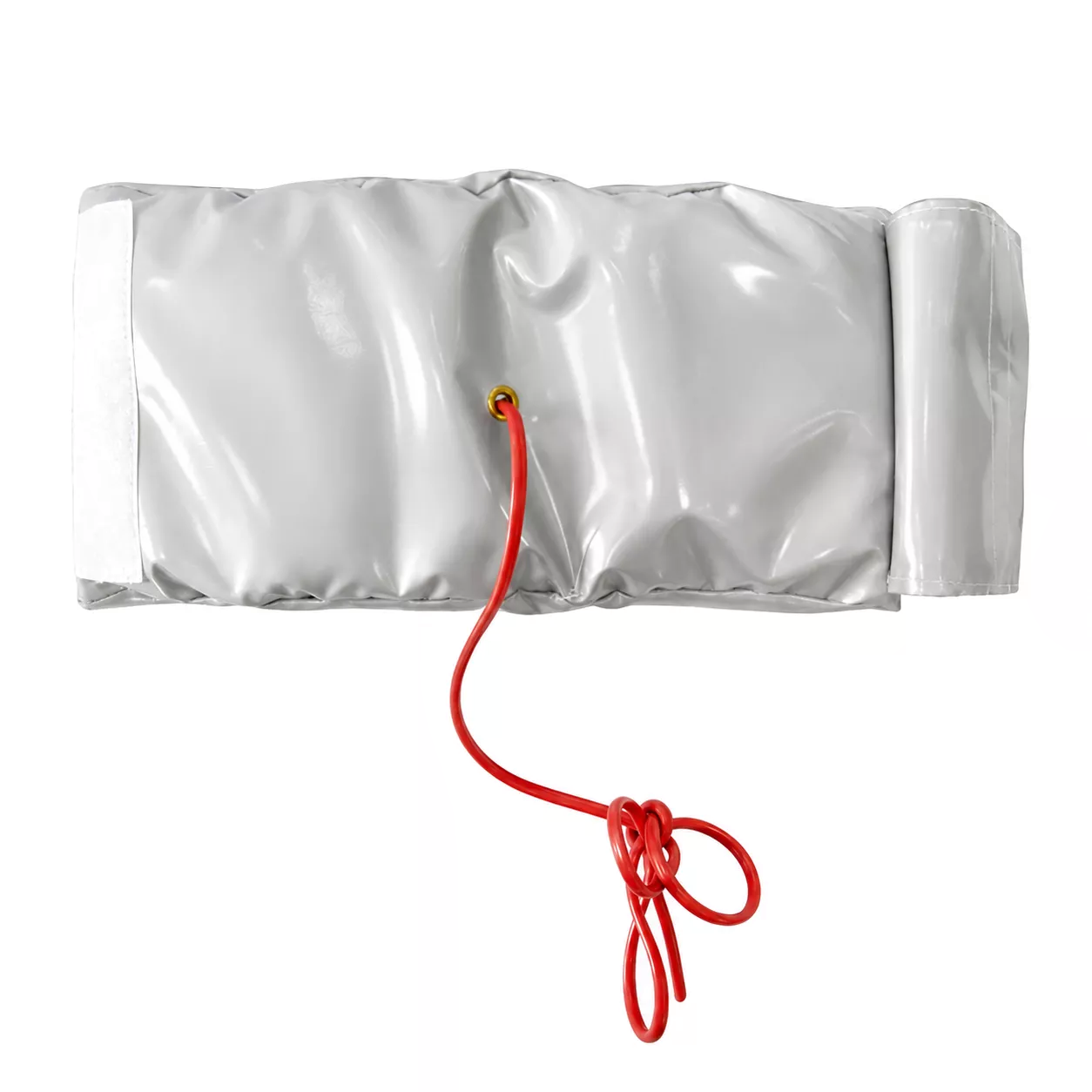
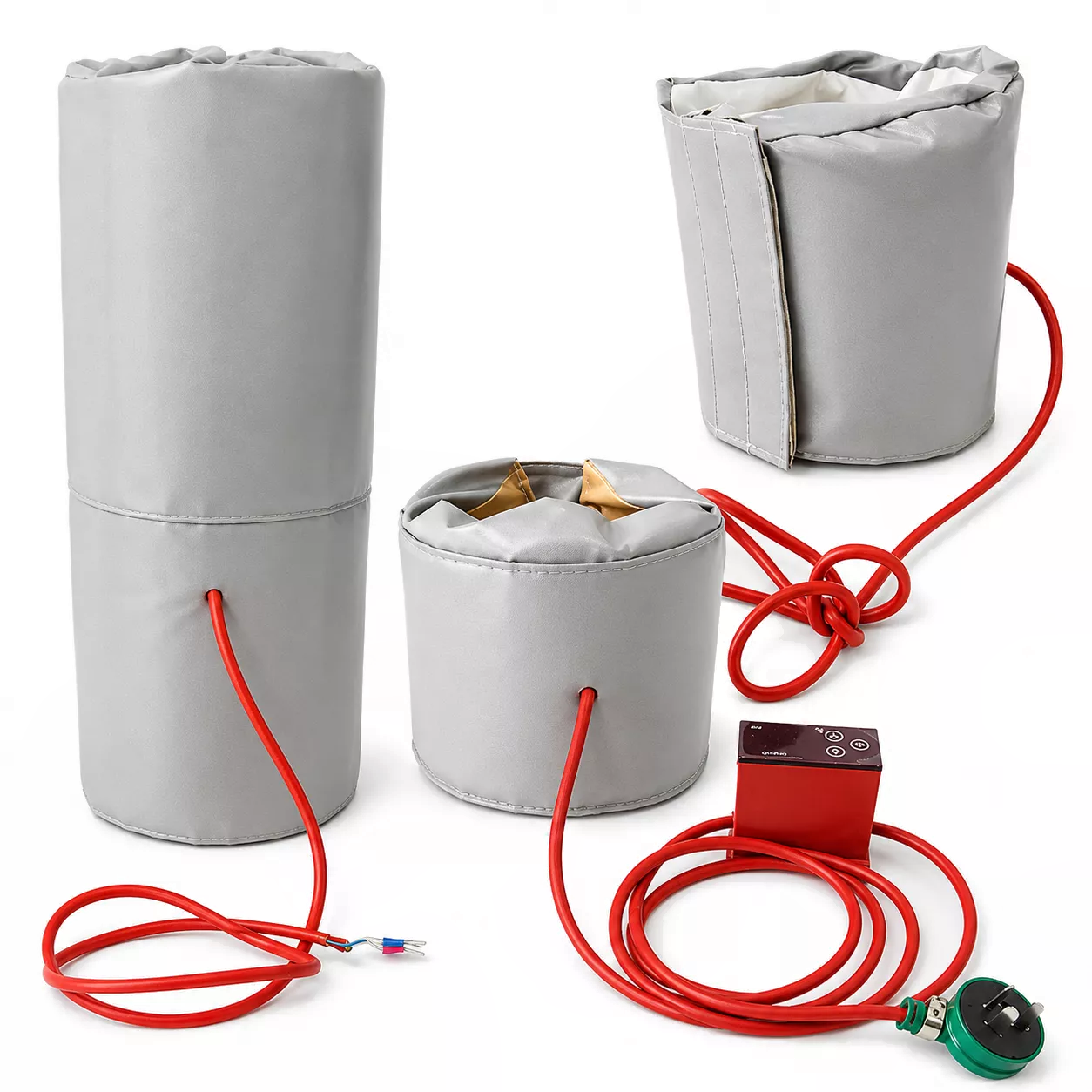
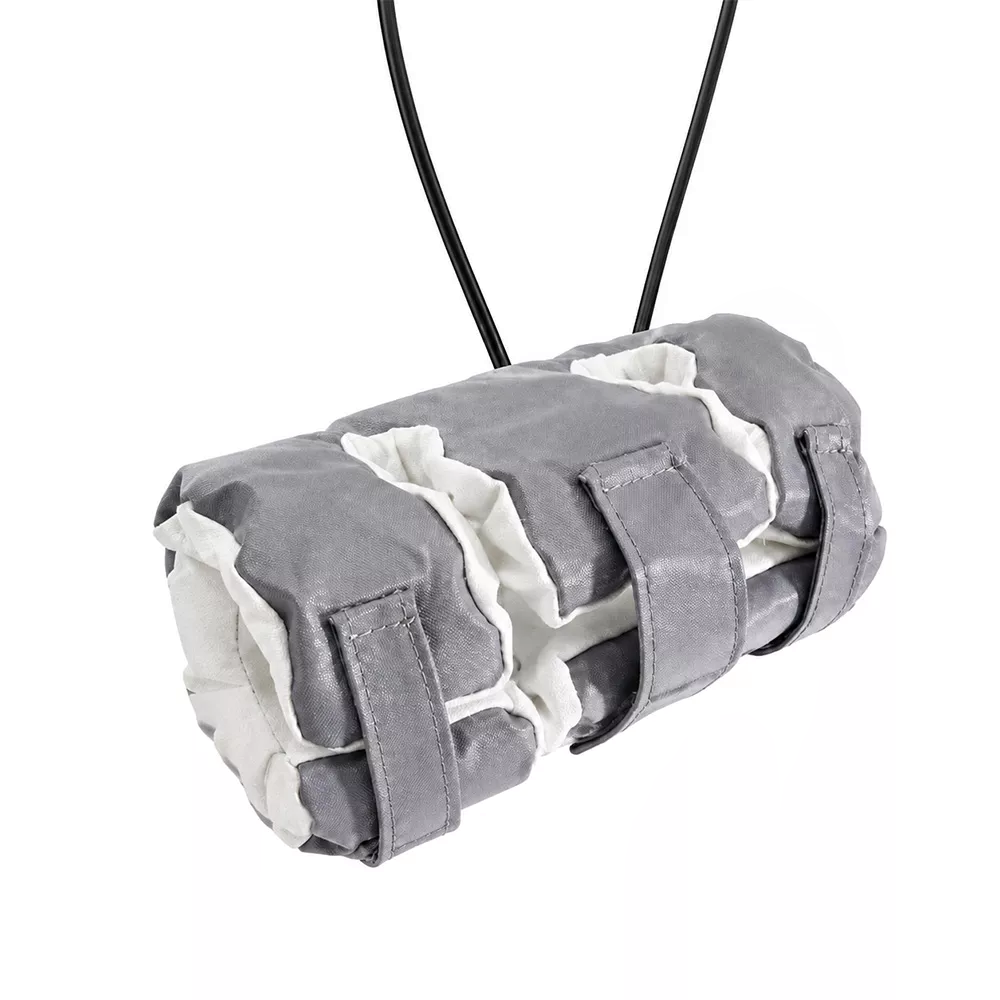
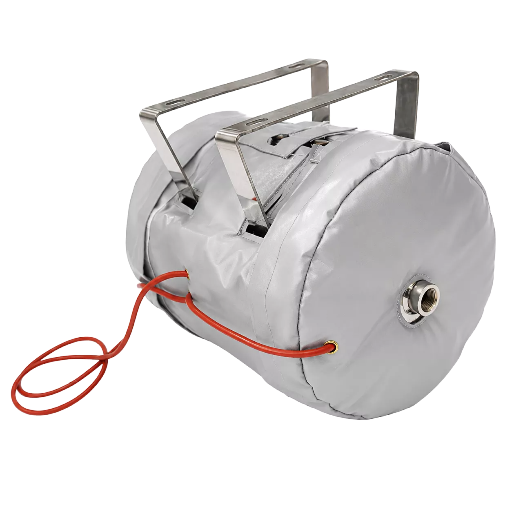
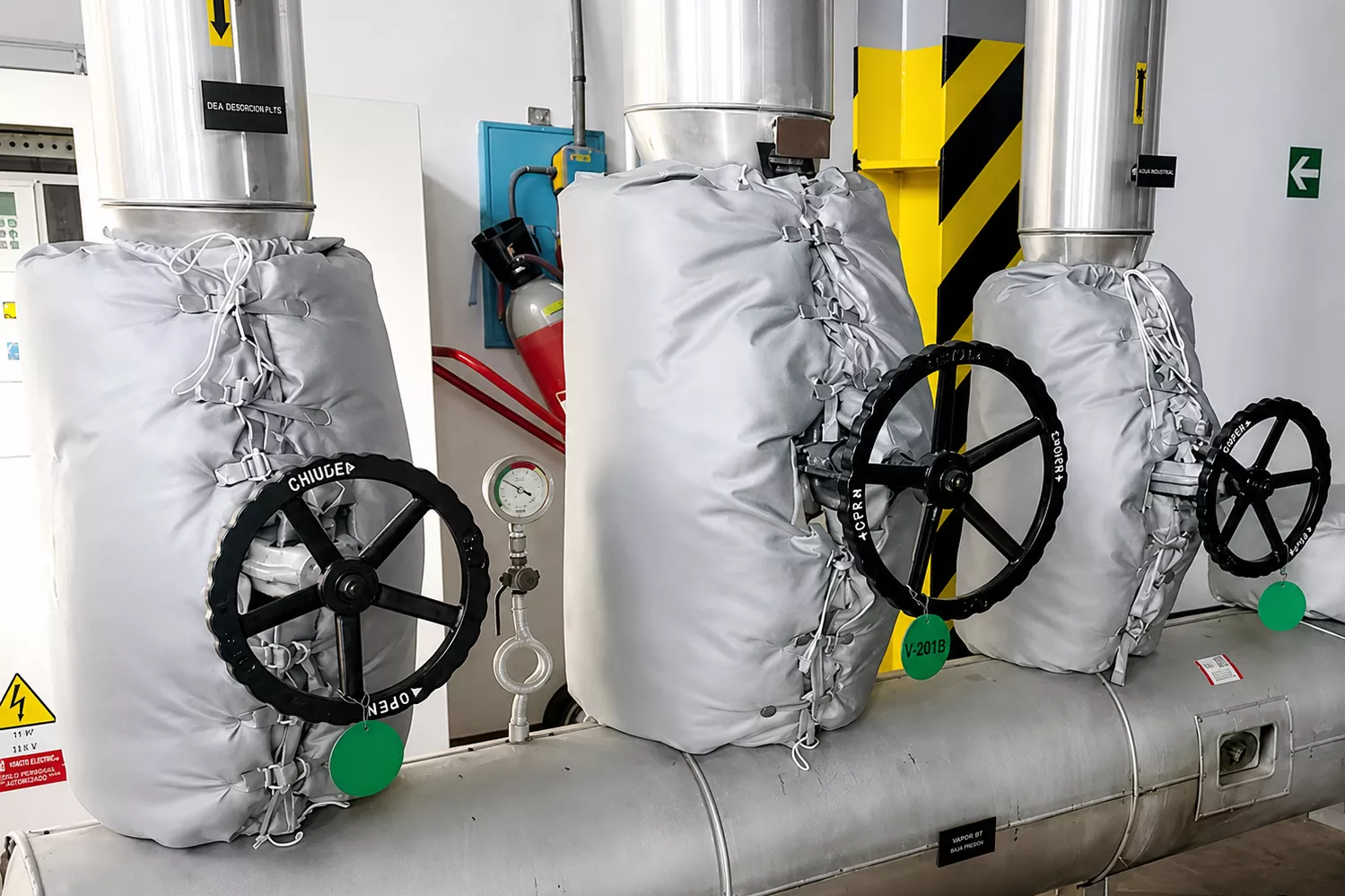
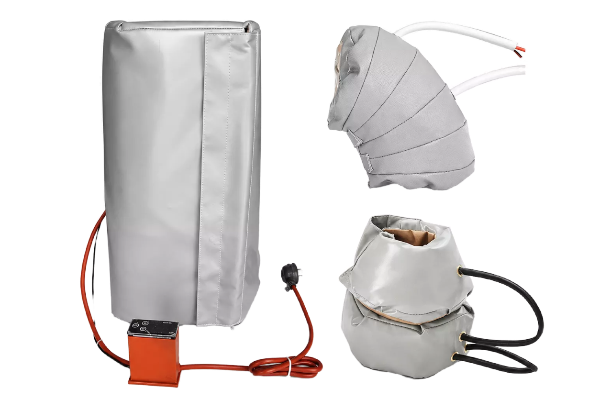
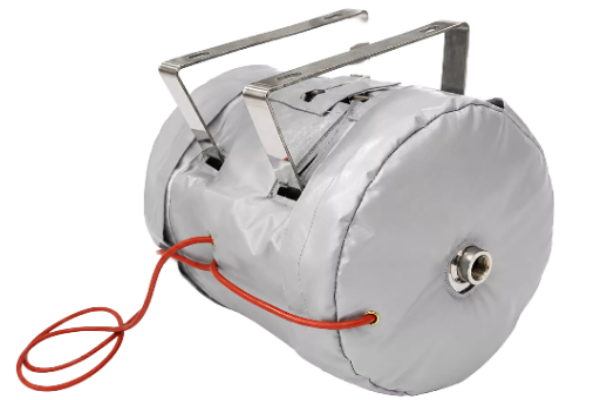
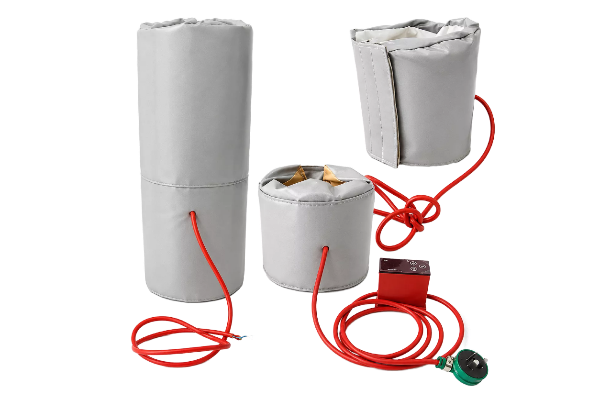
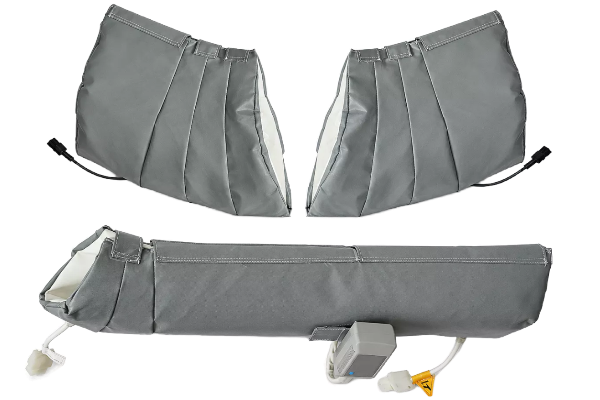
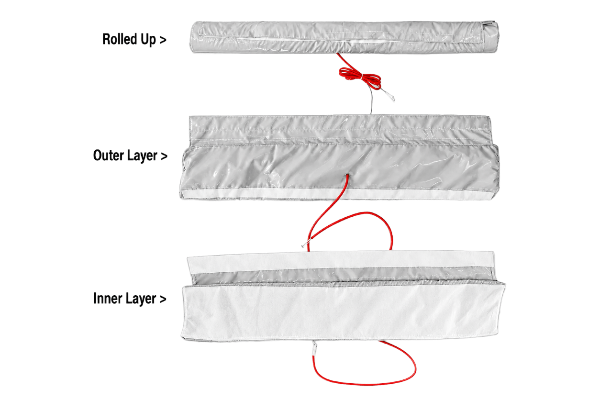
FlexBlanket product photography documents visible shapes, layers, leads and installed context. It cannot prove a temperature result, electrical conformity, classified-area approval or customer outcome.
Evidence Rule
A photograph may support fit, physical form, lead location and installation context when those details are visible. Thermal performance requires a defined test record, not an image.
01
02
03
04
Know When a Blanket Is Not the Right Heating Method
Use a removable industrial heating blanket when geometry, surface contact and service access suit the broader pipe heating system. If the application exceeds quoted construction or installation limits, stop and review another method or a specialist.
Review Permanent Heat Trace
Long, simple pipe runs may favor an engineered heat cable or heat tape system. The trade-off is permanent coverage versus removable access at fittings and service points. IEEE/IEC 62395-2 treats trace heating and surface heaters as installation types with different design, testing and maintenance requirements.
Stop at Classified Locations
This page establishes no hazardous-area suitability. A potentially explosive atmosphere requires documented site classification and an approved system matched to that location.
Reject Unquoted Use Conditions
Do not assume that cutting, burial, overlap, empty-pipe operation or operation beyond the quoted limits is acceptable. To protect pipes from freezing, follow the instructions and limits returned for the supplied configuration.
Separate Search Intents
- PVC conduit-bending blankets are different tools
- Consumer water-line products need a separate safety review
- A heated hose has different flexing and connection inputs
- Composite or adhesive cure blankets use another process specification
Pipe Heating Blankets Tools
01
Application Fit Checklist
Assess compatibility of heating blankets with your piping systems, target temperatures, and operational environment.
ACCESS TOOL
02
Method Comparison
Analyze thermal efficiency, installation footprint, and lifecycle costs of heating blankets versus alternative methods.
ACCESS TOOL
03
RFQ Checklist
Compile mandatory pipe dimensions, voltage requirements, and process parameters to initiate a precise technical quote.
ACCESS TOOL
Send the Application Inputs for Engineering Review
Complete inquiry data lets FlexBlanket review geometry, construction, power, control and connection scope in one quotation cycle. Site electrical or installation approval remains outside the quotation.
Request a Custom Pipe Heating QuotePrepare the RFQ Checklist
- 01 Drawing, photo and component type
- 02 Outside diameter, length and cutouts
- 03 Pipe material or thermal conductivity
- 04 Process target and ambient range
- 05 Supply voltage, frequency and controller needs
- 06 Exposure, destination, quantity and document needs
Pipe Heating Blanket Questions Buyers Ask
Request Engineering Review
01
What information is needed to quote a custom pipe heating blanket?
What information is needed to quote a custom pipe heating blanket?
Send a drawing or photo, component type, outside diameter, heated length, cutouts, pipe material, heating duty, process and ambient temperatures, supply voltage, frequency, controller needs, exposure, quantity and destination. Mark the sensor position, lead exit, removal direction and document requirements on the drawing when they affect fit. Final wattage, construction and control configuration are confirmed during engineering review.
02
Can one blanket fit valves, elbows or flanges?
Can one blanket fit valves, elbows or flanges?
Yes, when its shape follows the measured component. Record protrusions, bolt access, sensor position and removal direction.
03
How do I choose between a heating blanket and heat trace?
How do I choose between a heating blanket and heat trace?
Irregular components and planned removal can favor a shaped blanket, while long simple runs may favor engineered trace heating. Compare geometry, contact, service access, installation type and maintenance requirements before choosing the method.
04
What do the 220°C, 300°C and 400°C values mean?
What do the 220°C, 300°C and 400°C values mean?
They are product-file maximum temperature-resistance statements for the silicone core, stitching process and high-silica core constructions. They are not universal operating setpoints for a complete installed blanket.
05
Does the stated ±2°C apply after installation?
Does the stated ±2°C apply after installation?
For the Teflon-coated fiberglass option, the file states ±2°C without test geometry, sensor map, ambient conditions or controller setup. Define those conditions and an acceptance method before treating uniformity as a purchase requirement.
06
Which voltage, plug and control options are available?
Which voltage, plug and control options are available?
Available product-file options include 120 VAC, 230 VAC, custom voltage, 3 regional plug styles for the EU, UK and US, PID control, current and temperature monitoring, and a mechanical over-temperature switch. The quotation must identify the exact supply, current rating, controller, sensors, switch behavior and connection package.
07
Can the blanket be removed and reinstalled for maintenance?
Can the blanket be removed and reinstalled for maintenance?
Removable fit can be designed into the closure and lead layout. State the removal frequency, access direction, nearby instruments and reconnection constraints so service access is part of the reviewed configuration.
08
Can the blanket be cut, overlapped, buried or used on an empty pipe?
Can the blanket be cut, overlapped, buried or used on an empty pipe?
No permission is implied. Follow the quoted installation and operating limits.
09
Which documents can be supplied for the quoted model and destination?
Which documents can be supplied for the quoted model and destination?
List the destination market, installation type and required document scope in the inquiry. An official standard page, a material report or a record for another heater model does not establish conformity for the quoted Pipe Heating Blanket.
10
Can FlexBlanket build from an installed-equipment photo?
Can FlexBlanket build from an installed-equipment photo?
A scaled, annotated photo can support early geometry review, especially around branches and obstructions. Production definition may still require dimensions, a drawing or a physical template.