Get in touch with FlexBlanket Company
Electrical connection must match the intended installation.
Supply details, connection expectations, and any drawing notes supplied by the buyer.
Flex designs custom heating blankets for industrial electric applications around your equipment, thermal duty, power supply, sensor, controller, attachment method, and operating environment. A custom/OEM request becomes a configuration that engineering and sourcing teams can review before production is released.
Project review starts with the application information that changes the build: heated surface, heat path, target temperature range, available voltage, wattage target, sensor location, controller interface, and exposure conditions. This produces a written configuration path for review, not a generic consumer blanket selection. Inputs stay connected.
We design OEM heating blankets to the equipment dimensions supplied for the project. Heater outlines record bends, openings, service access, and attachment constraints for review.
We configure the requested voltage as a project input. Heater supply and connection still remain part of the buyer’s complete electrical system review.
We document the requested wattage as part of the approved configuration. Heater wattage is reviewed with the load, heat loss, permitted surface condition, and control strategy.
We define the requested temperature range with the application brief. The heater duty also records the starting condition, operating cycle, and controlled point.
We integrate the requested sensor into the configuration review. Heater sensing is tied to its intended observation point and the acceptance plan.
We document the requested controller interface before production release. Heater, sensor, protective devices, and site controls are reviewed as connected interfaces.
We review the operating environment as a design input. Heater exposure, handling, cleaning, and project approval conditions are collected before the path is confirmed.
IEC 60519-1 provides general context for industrial electroheating installations; it does not certify or approve a project-specific FlexBlanket configuration.[1] The buyer’s equipment and written requirements remain the design basis.
Start with a structured brief, check whether your submission is complete, or route a special application for the right review. These tools organize your inputs; they do not calculate thermal performance or replace engineering approval.
FlexBlanket designs custom heating blankets for industrial equipment rather than asking a process to fit a fixed retail product. Heated geometry and the heat path are reviewed with electrical and control inputs because each one affects the configuration that goes forward for approval.
Discuss a Custom ConfigurationYour dimensions, contours, closures, openings, and service-access requirements define where the blanket must sit and where it must remain clear. Contact matters.
The RFQ connects voltage, wattage, target temperature range, sensor, controller, labeling, and operating environment.
Heat movement into the load, loss points, bends, supports, and attachment contact all belong in the review. Fit changes.
Project documents capture electrical connections, lead routing, sensor location, controller interface, and installation access before production is released.
Approval stages separate the initial brief, configuration review, sample or first-unit decision where scoped, and release to production. Approval follows.
The brief keeps each requirement attached to its decision point: a dimension with geometry, a temperature range with duty, and a connection detail with the electrical interface. An OEM, distributor, engineering team, and procurement contact can review the same request without translating it into separate product assumptions. Context stays intact.
Teams should flag changes to the equipment, power supply, control point, attachment, quantity, or acceptance criteria before release. A changed input can alter the configuration, quote scope, or approval path. Changes stay visible.
Requests may arrive as custom flexible heaters, an industrial heating blanket for pipe, electric industrial heating blankets, or a search for custom flexible heaters manufacturers. As a custom heating blanket manufacturer, we use the equipment and duty to decide whether the request belongs on this blanket path or needs an electric flexible heater manufacturer discussion.
A flexible heater is only one part of an industrial heating solution. Contact surface, insulation concept, attachment method, lead exit, sensing point, and the load itself remain connected design inputs.
Blanket contact, bridged bends or seams, valves, brackets, fittings, and access panels can create non-contact areas. That information belongs in the drawing package because it changes the layout discussion.
Process material, wall construction, exposed area, and existing insulation shape the heat-path review. Dimensions alone do not establish heat-up time, energy use, or temperature distribution. Physics sets the boundary.
Installation, securement, removal, and routing around service points need a defined method. Cleaning, washdown, abrasion, and handling conditions can change the project review. Access matters.
Sensor purpose and placement determine what the reading represents. A single point becomes useful only after the project team agrees on its process meaning.
A copied controller setting is not a substitute for the actual load, sensor position, and heat path. Configuration review identifies the controlled point and the acceptance criteria for the approved installation.
Complex bends and attachment points can create cold spots when the heat path is treated as a flat-surface problem. The heater drawing should therefore show contact breaks, supports, and fittings that affect the installed wrap.
A stable controller reading does not prove that the full heated surface is uniform. Controller stability is not a substitute for a project-defined heat distribution check and acceptance map.
We capture interfaces as part of the blanket configuration instead of treating them as accessories added after the thermal layout is chosen. This keeps responsibility clear between the blanket, sensor, controller, available supply, and the installation team.
For a temperature control review, state the intended operating temperatures, heating element boundary, sensor purpose, controller response, and lead wire route. A transferred controller setting is not a substitute for the actual heater load and installed sensing point.
IEC 60519-1 is used here only as general installation context for industrial electroheating. Project electrical responsibility and acceptance criteria still require configuration-specific review.
Use this matrix to turn a broad heating request into buyer-supplied inputs that can be reviewed. Each numbered row is an input to be confirmed for your equipment; it is not a default specification or a technical recommendation. IEC installation context and NIST measurement guidance do not replace those project inputs.
Drawing, model, measured sketch, photographs, dimensions, bends, openings, and contact zones.
Defines fitted coverage and clearance requirements.
Process material, current condition, requested temperature range, holding or curing duty, and operating cycle.
Frames the heat-path and application discussion.
Available voltage, phase where relevant, connection location, and site constraints.
Aligns electrical inputs with the intended installation.
Requested wattage, sensor type, sensor position, controller details, and interface notes.
Prevents the controller and measurement point from being treated as afterthoughts.
Fitting method, removal frequency, service panels, lead routing, cleaning, and handling requirements.
Checks installation practicality before the layout is finalized.
Market, exposure conditions, area information, maximum surface-temperature requirement, and project approval requirements.
Routes special conditions to the correct project review.
Prototype or production intent, quantity, required approval gates, labeling, packaging, and delivery destination.
Lets the quotation and production plan reflect the actual order path.
Required inspection types, method, acceptance criteria, records, sampling basis, and release documents.
Places acceptance criteria in the quote and approved configuration.
Use the Heat-Path Design Brief to organize a first package, then use the RFQ Specification Checklist to see which buyer inputs are still missing. Neither tool fills unknown requirements with assumed values.
Custom pricing follows the configuration that is actually being reviewed, including geometry, construction choices, electrical and control interfaces, inspection scope, quantity, and the approval path. We prepare the quotation against the submitted requirements rather than publishing a fixed price list for unlike applications.
Request a Configuration ReviewContours, cut-outs, attachment points, and lead exits change the fitted design work.
Current drawing, measured sketch, and installation photographs.
Process temperature range, heat path, and duty cycle change what engineering must review.
Material, operating sequence, target range, and existing insulation details.
Voltage, wattage, sensor, controller, lead routing, and connector expectations affect the configuration.
Available supply and interface information from the site or OEM.
Quantity, labeling, packaging, inspection scope, and approval steps affect the production plan.
Forecast, sample/first-unit plan, acceptance criteria, and delivery destination.
We review the submitted package for missing design inputs before the configuration is finalized. The written quotation is where the agreed scope, production schedule, and project dependencies are confirmed.
We schedule production after the configuration, order conditions, and required approvals are established for the project. A schedule must reflect the approved configuration, quantity, materials, controller availability, and delivery path.
Send the latest drawing, installation images, and control information rather than a previous project description. A new opening, changed lead exit, different supply, or revised controlled point can change the configuration being evaluated.
Mark the inputs that are mandatory for release and those that are preferences for the project team to consider. This helps engineering and procurement recognize which open questions need an answer before the commercial scope is confirmed.
Tell us whether your process requires design review, sample or first-unit approval, inspection records, label approval, or another release gate. We can then reflect the agreed gates in the configuration and quotation discussion.
A low quotation can hide missing drawings, test scope, records, or production approval gates. The price line is not a substitute for a consistent heater configuration and release package. Records travel.
Submitted geometry, electrical details, the sensor/controller interface, and acceptance requirements are compared.
Applicable inspection types, method, acceptance criteria, sampling basis, and records are aligned.
Specified checks apply to the configuration and order scope agreed for release.
Agreed inspection information and release documents travel with the production plan.
Electrical resistance check scoped to the approved configuration.
Temperature check scope defined by the project method and acceptance criteria.
Electrical inspection type applied only when scoped for the order.
Functional power-on inspection type under the agreed check plan.
Electrical inspection type with project-defined method and limits.
Insulation-resistance inspection type scoped to configuration and acceptance input.
The risk is overreading a check name because the method, acceptance criteria, and intended use still belong to the project. FlexBlanket scopes those items in order documents, while IEC 60519-1 provides general requirements for industrial electroheating installations rather than certification of this heater configuration.
IEC 60519-1 is titled “Safety in installations for electroheating and electromagnetic processing — Part 1: General requirements.”
We ask the buyer to identify what evidence is needed to release the order: inspection method, acceptance criteria, sample or production sampling basis, record format, and handoff documents. Putting those inputs in the RFQ avoids treating a list of check names as a complete release plan.
Four evenly spaced sensors can still miss a localized hotspot between measurement points. Multiple measured points inform the heater review only when locations, conditions, and acceptance criteria are defined for the approved application.
We ask buyers to state the required method, limits, record format, sampling basis, and release documents early. A verification record is not a substitute for metrological traceability when measurement uncertainty and the calibration chain are not established. Evidence stays scoped.
We use a staged process so a custom heating blanket request is reviewed as an OEM configuration rather than converted directly from a short product description. Each stage gives the buyer a clear place to add, confirm, or correct project inputs.
Share geometry, thermal duty, voltage, wattage, sensor, controller, installation, environment, and quantity information.
FlexBlanket identifies the information needed to assess the requested configuration and returns questions where the heat path or interface is unclear.
Project documents connect the proposed blanket, electrical connection, sensor, controller, attachment, and inspection scope.
A written quotation states the agreed configuration, production schedule, quantity, approvals, and delivery terms.
The approved configuration becomes the production reference, including any sample or first-unit approval required by the order.
Scoped inspection, packing, release documents, and the delivery plan move forward together.
Contact areas, bends, openings, attachment points, and lead exits.
Avoids discovering access conflicts after the configuration is frozen.
Available voltage, requested wattage, sensor location, controller interface, and connection details.
Connects the blanket request to the actual site or OEM electrical design.
Inspection type, method, criteria, records, sampling, and required release documents.
Keeps the inspection plan tied to written buyer requirements.
Quantity, approvals, labeling, packaging, destination, and delivery requirements.
Allows the quotation and production plan to match the release path.
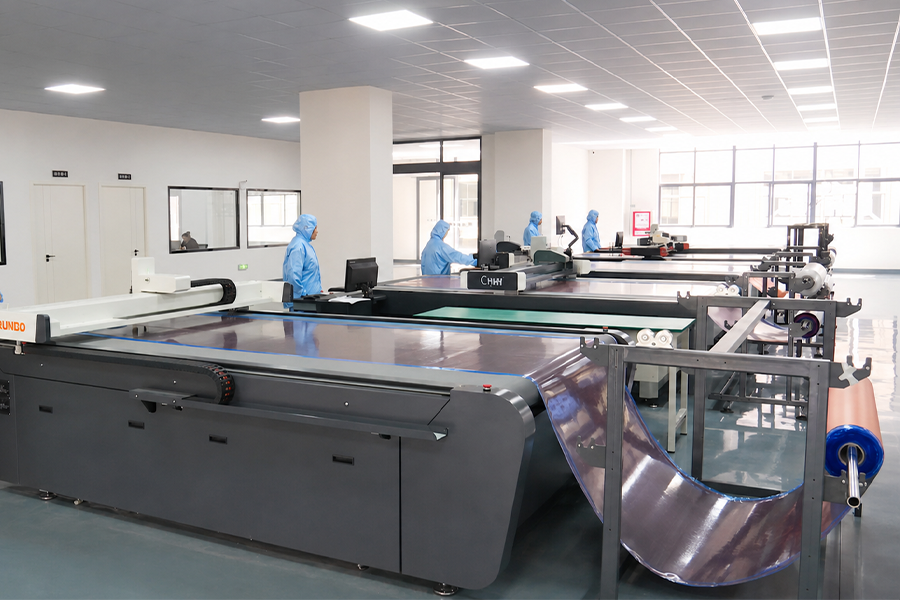
FlexBlanket was established in 2019 in Qingdao, China. These FlexBlanket workshop photos and product images show visible production context without implying customer use, production scale, or a particular project outcome.
Supplied FlexBlanket workshop image showing a production cutting process.
Supplied FlexBlanket workshop image showing equipment in the production area.
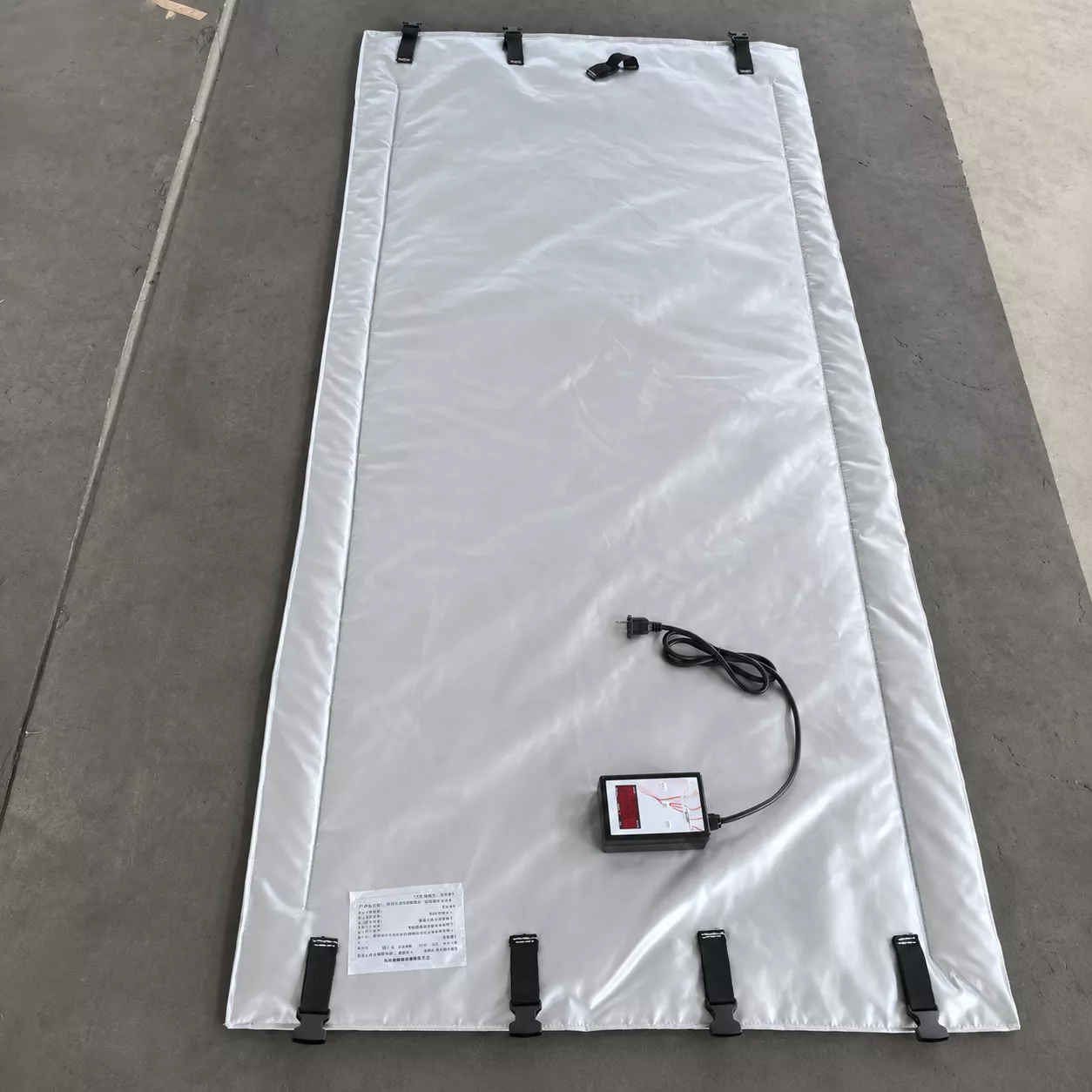
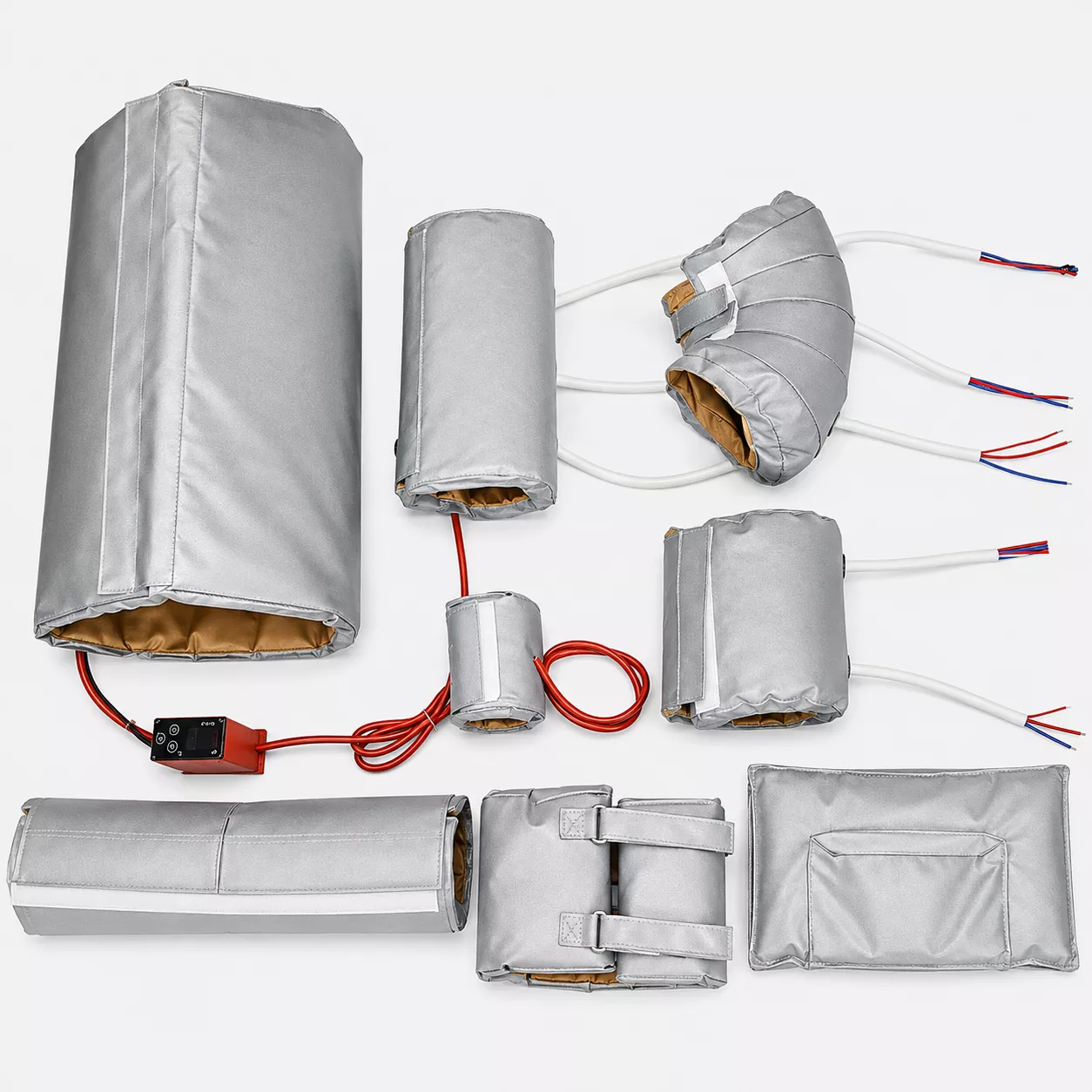
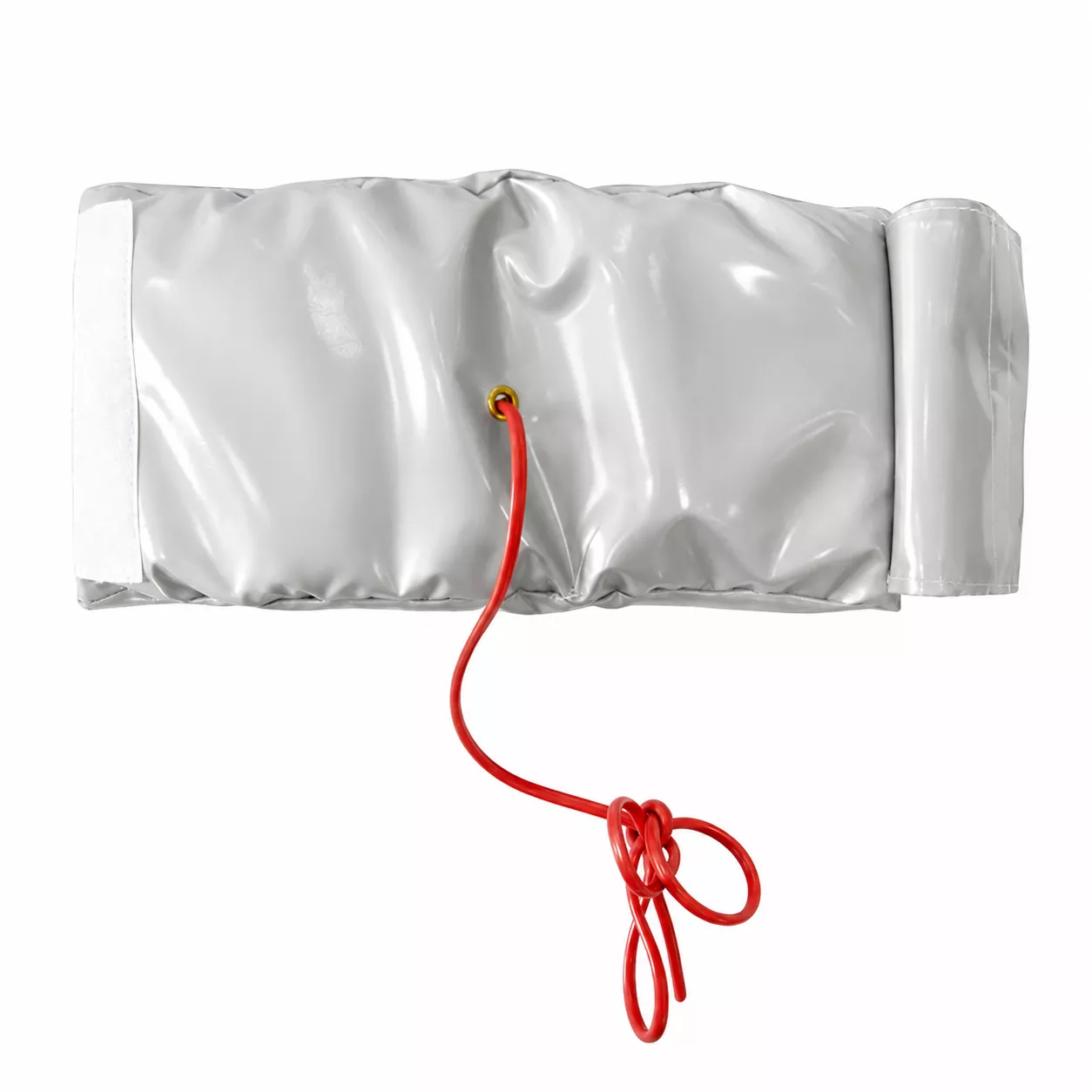
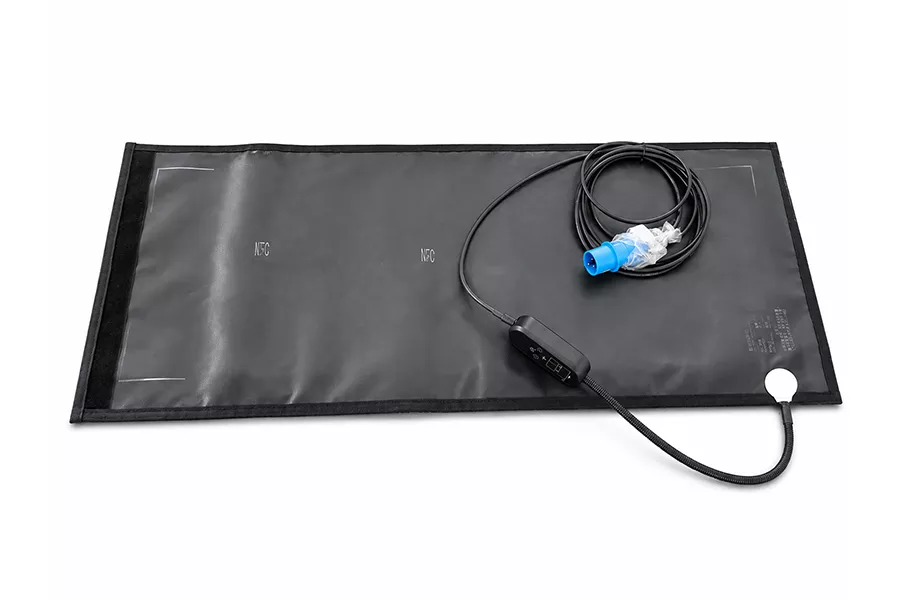
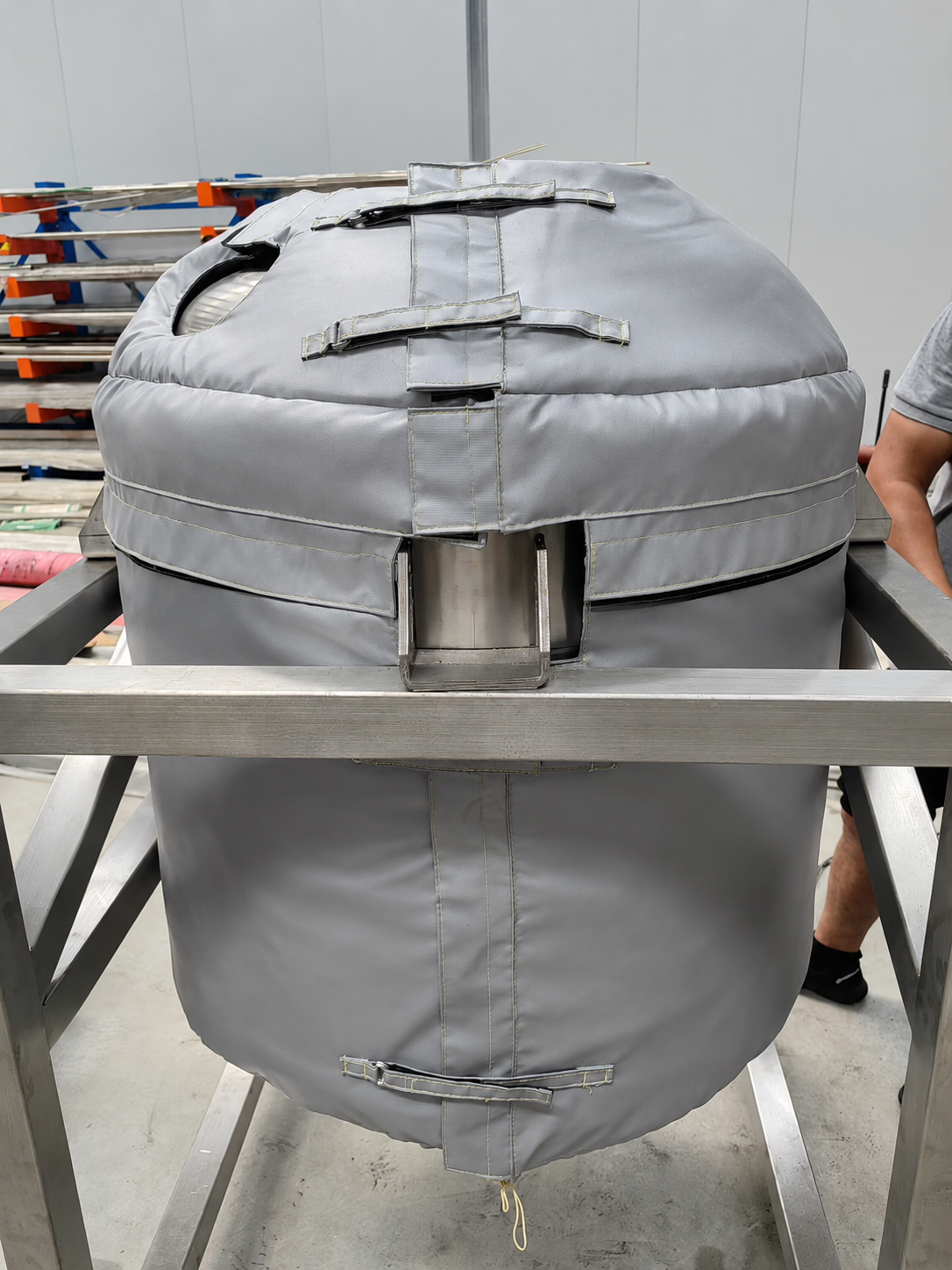
Supplied product image of a custom fitted industrial heating blanket.
We collect vessel geometry, product viscosity, temperature range, access requirements, and attachment details before a custom blanket request is reviewed.
We collect route geometry, fittings, support points, access, power supply, and environmental information for project-specific discussion.
We collect the equipment interface, process sequence, temperature range, sensor/control inputs, and release requirements that shape the OEM brief.
Workshop and product photos help a buyer understand the physical context behind a custom request, especially when paired with a drawing and installation images of the equipment. We keep the review focused on the buyer’s own geometry and operating inputs rather than presenting a photo as evidence that a different installation has the same requirements.
The legacy first-party site is cited only to cross-check public product-family and workshop-equipment context.[6] The supplied photographs above remain the evidence for what is visibly shown here.
A custom flexible heating blanket is not the right starting point for every problem. The most useful next step is often to identify the missing application input or route the request to a specialist review before a configuration is discussed.
A fitted layout cannot be responsibly discussed from a product name alone.
Provide a drawing, measured sketch, photographs, and access notes; use the Heat-Path Design Brief.
Blanket, sensor, and controller choices cannot be separated from the actual load and installation.
Route the request to engineering clarification with the process and electrical inputs available.
Those conditions may require a project-specific compliance review beyond a standard custom RFQ.
Use the Application Screen and supply the requested area, exposure, temperature, and approval information.
When a thin flexible pad rather than an insulated wrap is appropriate, silicone rubber heaters follow a different construction path. Silicone rubber selection, heating element layout, and lead wire details need their own heater review.
For an IBC tote, epoxy cure fixture, or process vessel, the tote heater or fitted-heater path starts with geometry, viscosity, access, and duty. State whether the duty is freezing prevention, freeze protection, holding, or process heating so the heater request reaches the right product discussion.
Reliable and efficient heating are application outcomes to validate, not labels that replace the RFQ. Flexible heaters offer useful geometry options, but industry terminology is not a substitute for operating temperatures, uniform heat criteria, certification requirements, and a project-specific acceptance plan for these thermal solutions.
Requests involving hazardous classified locations require separate specialist review under the applicable project rules; OSHA 29 CFR 1910.307 supplies regulatory context but does not approve a heater configuration.[2]
Document physical geometry, thermal duty, and target heating boundaries for your application.
Open Design BriefReview configuration inputs, power supply, and control interface requirements.
Open Specification ChecklistRoute special environmental, compliance, or operating condition approvals.
Open Application Screen